

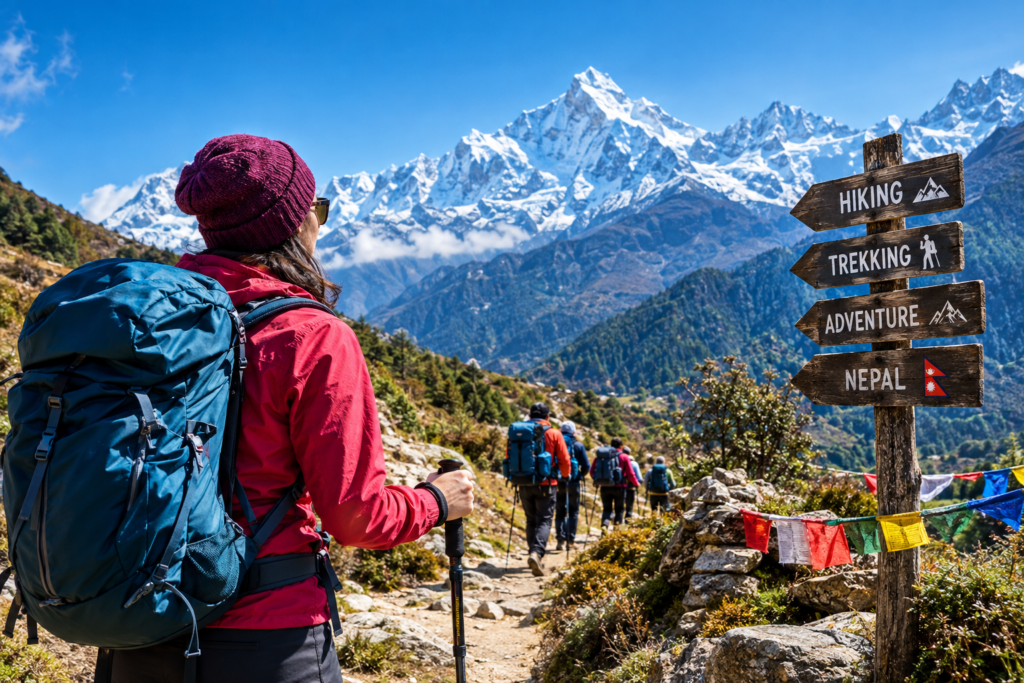
Nepal Trekking Packages: Complete Guide to Choosing the Best Local Trekking Company in Nepal.
Nepal Trekking Packages: Everything You Need to Know Planning a Himalayan adventure begins with choosing the right Nepal Trekking Packages. Nepal is home to eight of the world’s fourteen mountains above 8,000 meters, including Mount Everest, and offers thousands of kilometers of trekking trails through snow-capped peaks, ancient monasteries, remote villages, and UNESCO-listed landscapes. Whether you’re dreaming of the Everest Base Camp Trek, Annapurna Circuit, Langtang Valley, or the remote Manaslu region, selecting a trusted local trekking company can make your journey safer, smoother, and more authentic. According to the Nepal Tourism Board, trekking remains one of Nepal’s most popular adventure activities, with roughly one in four international visitors participating in trekking experiences across the country. This comprehensive guide explains everything international travellers need to know about Nepal Trekking Packages, trekking costs, permits, licensed guides, seasonal planning, and why booking with a local trekking company offers significant advantages. Nepal Trekking Packages: Everything You Need to Know A Nepal trekking package is a complete travel arrangement that combines essential trekking services into one organised itinerary. Instead of arranging permits, accommodation, transportation, guides, and logistics separately, travellers receive a professionally planned experience that allows them to focus on enjoying the mountains. Most reputable trekking companies include: Licensed professional trekking guide Accommodation throughout the trek Transportation Required trekking permits Route planning Safety management Local support Emergency coordination Premium packages may also include airport transfers, porter services, domestic flights, equipment rental, and customised itineraries. Choosing a complete trekking package is particularly valuable for first-time visitors because Nepal’s trekking regulations, weather conditions, and mountain logistics require careful planning. Why Choose a Local Trekking Company in Nepal? One of the biggest decisions travellers face is whether to book through an international agency or directly with a local trekking company. Working with a government-registered Nepali operator offers several practical advantages. Local Expertise Local guides have firsthand knowledge of mountain weather, trail conditions, cultural customs, and altitude management. Their experience helps travellers navigate changing conditions more effectively than relying solely on maps or apps. Licensed Guides Are Required on Many Routes Since the revised trekking regulations introduced in 2023, many popular trekking routes require trekkers to travel with a licensed guide and carry a valid TIMS Card obtained through an authorised trekking agency. This applies to many famous routes across Everest, Annapurna, Langtang, Manaslu, Mustang, Kanchenjunga, and other trekking regions. Better Value Booking directly with a local operator often provides: Competitive pricing Personalized itineraries Direct communication Flexible scheduling Local economic support Authentic Cultural Experience Local guides introduce travellers to: Sherpa communities Gurung villages Tamang traditions Monasteries Local cuisine Himalayan customs These experiences often become the most memorable part of the journey. Best Nepal Trekking Packages by Region 1. Everest Base Camp Trek Duration: 12–16 days The Everest Base Camp Trek remains Nepal’s most famous trekking package. Highlights include: Namche Bazaar Tengboche Monastery Kala Patthar viewpoint Everest Base Camp Sherpa culture This trek reaches elevations above 5,000 meters, so proper acclimatisation is essential. Difficulty: Moderate to Challenging 2. Annapurna Circuit Trek Duration: 12–18 days The Annapurna Circuit offers one of the world’s most diverse trekking experiences. Trekkers pass through: Subtropical forests Traditional villages High mountain deserts Thorong La Pass (5,416 m) This route combines spectacular scenery with remarkable cultural diversity. Difficulty: Moderate 3. Annapurna Base Camp Trek Duration: 7–12 days This package is ideal for travellers wanting breathtaking Himalayan views within a shorter timeframe. Major attractions include: Machhapuchhre Annapurna South Hiunchuli Bamboo forests Hot springs 4. Langtang Valley Trek Duration: 7–10 days Located relatively close to Kathmandu, Langtang offers: Glacier views Yak pastures Kyanjin Gompa Tamang culture Less crowded trails This package is excellent for travelers seeking a quieter Himalayan experience. 5. Manaslu Circuit Trek Duration: 13–18 days The Manaslu region has become increasingly popular among experienced trekkers. Highlights include: Larke Pass Remote villages Tibetan-influenced culture Dramatic mountain scenery Because Manaslu is a restricted area, special permits and a licensed guide are mandatory. Trek Details Everest Base Camp Duration: 12–16 days · Difficulty: Challenging · Best Season: Spring & Autumn Annapurna Circuit Duration: 12–18 days · Difficulty: Moderate · Best Season: Spring & Autumn Annapurna Base Camp Duration: 7–12 days · Difficulty: Moderate · Best Season: Spring & Autumn Langtang Valley Duration: 7–10 days · Difficulty: Moderate · Best Season: Spring & Autumn Manaslu Circuit Duration: 13–18 days · Difficulty: Challenging · Best Season: Autumn Nepal Trekking Package Costs The cost of Nepal Trekking Packages depends on several factors: Trek duration Region Accommodation level Group size Domestic flights Porter services Equipment rental Typical Price Range Package Type Estimated Cost Budget USD 500–900 Standard USD 900–1,500 Premium USD 1,500–3,000+ Remote trekking routes generally cost more because of additional logistics and special permits. Nepal Trekking Permits Explained Permits are one of the most important parts of any Nepal trekking package. TIMS Card The Trekkers’ Information Management System (TIMS) improves trekker safety by maintaining a database of travellers and supporting emergency response. Current fees include: SAARC citizens: NPR 1,000 Other foreign nationals: NPR 2,000 The TIMS Card is generally obtained through authorised trekking agencies. National Park and Conservation Area Permits Most trekking regions require additional entry permits. Examples include: Sagarmatha National Park Annapurna Conservation Area Langtang National Park Protected-area entry fees help support conservation and local communities. Restricted Area Permits Some trekking destinations require special permits issued by Nepal’s Department of Immigration. Examples include: Upper Mustang Upper Dolpo Manaslu Nar Phu Tsum Valley Permit costs vary depending on the region and season. Best Time to Book Nepal Trekking Packages Choosing the right season significantly affects the trekking experience. Spring (March–May) Best for: Rhododendron blooms Stable weather Mountain views Autumn (September–November) The most popular trekking season. Benefits include: Clear skies Comfortable temperatures Excellent visibility Winter (December–February) Suitable for lower-altitude treks, although higher passes can become challenging due to snow. Monsoon (June–August) Heavy rainfall affects many trails, though regions such as Upper Mustang remain good options because they lie in the rain shadow. Safety Tips for Nepal Trekkers A professional trekking company places